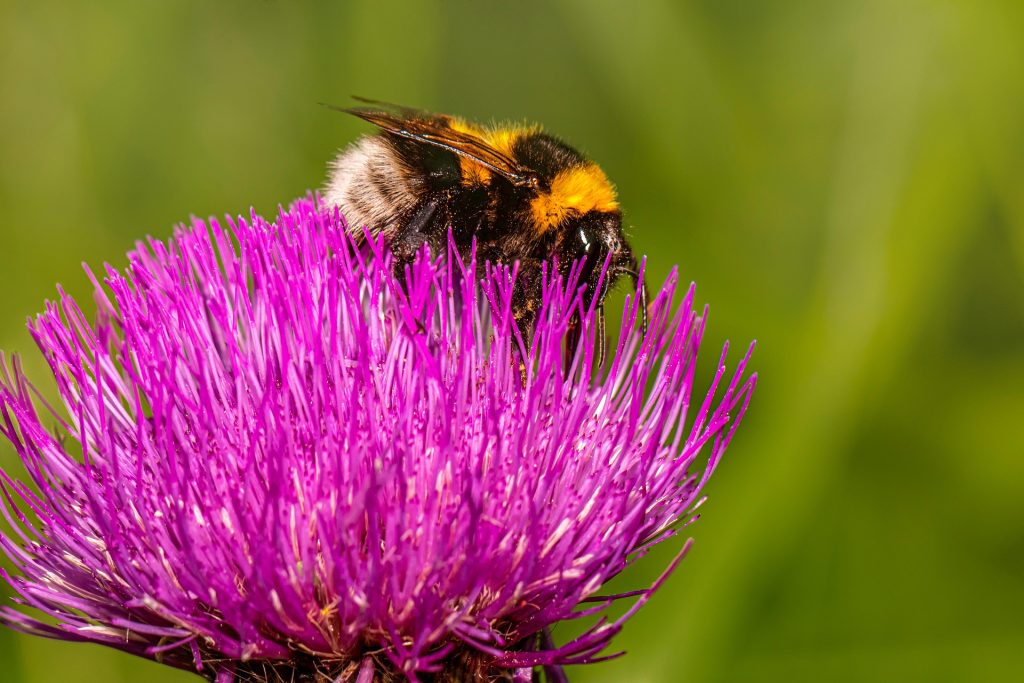
When we talk about pollinators, most people immediately picture bees — they are the poster boys and girls of pollination after all. But the world of pollination is far more diverse and surprising than many of us realise. In fact, the majority of flowering plants rely on a whole cast of creatures, each playing a unique role in keeping ecosystems functioning and food systems resilient. Understanding who these pollinators are, how they behave, and what they need is the first step toward supporting them in our gardens, communities, and wider landscapes.
So what makes a pollinator?
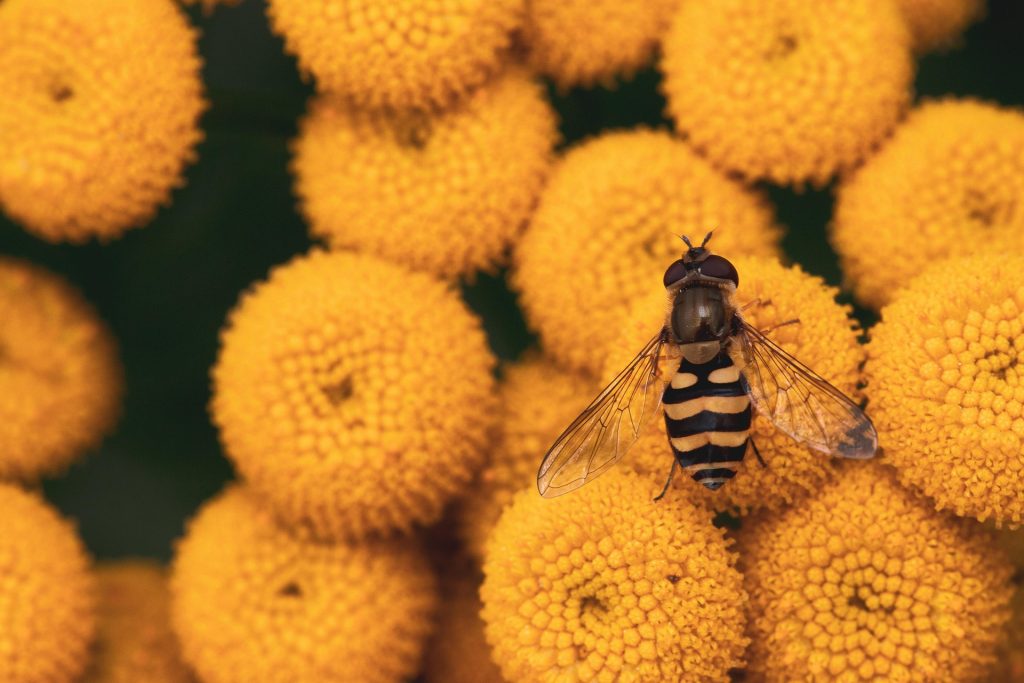
In essence, a pollinator is any species that moves pollen from one flower to another, enabling plants to produce seeds and fruit. But within that simple definition lies a world of complexity. Some pollinators specialise in particular plants; others are opportunists. Some travel long distances; others rarely leave a single hedgerow. Some are active in daylight; others work the night shift. And all of them — from the tiniest hoverfly to the big fluffy bumblebee — contribute to the abundance of food and flowers we often take for granted.
Why pollinators matter more than ever
Pollinators underpin much of the natural world, but their importance extends directly into our daily lives.
- One in every three mouthfuls of food depends on natural pollination.
- Wildflowers and native plants rely on pollinators to reproduce, supporting birds, mammals, and insects further up the food chain.
- Healthy pollinator populations help maintain genetic diversity in plants, making ecosystems more resilient to climate change and disease.
When pollinators decline, the effects ripple outward. Fewer insects mean fewer seeds and berries, fewer birds, fewer small mammals, and ultimately fewer predators.
The surprising diversity of pollinators
Bees may get the spotlight, but they’re only one part of the story. Here are some other participants in pollination:
- Butterflies
- Moths
- Hoverflies
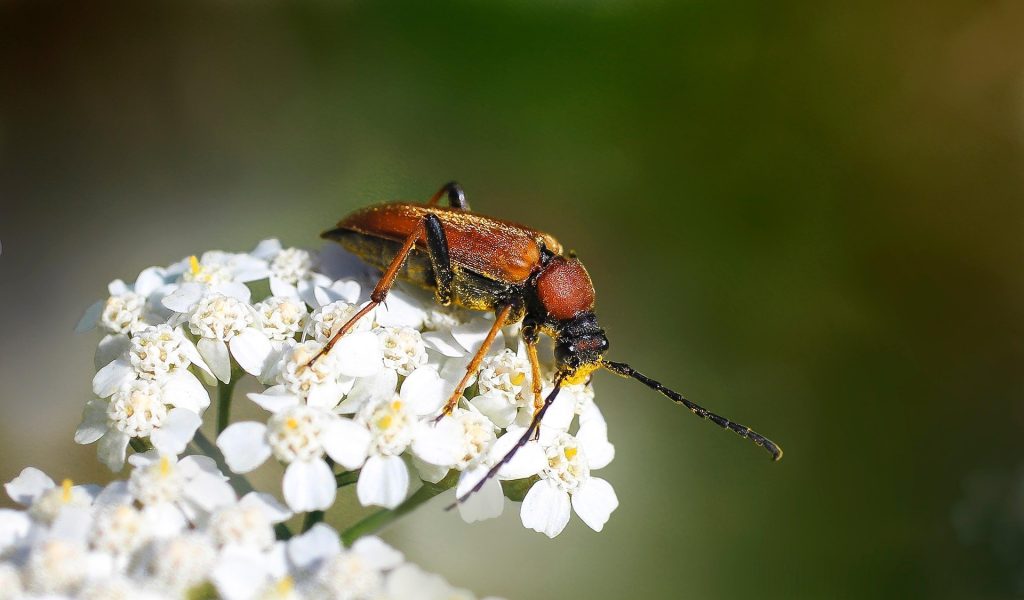
- Beetles
- Wasps
- Birds
- Bats
Each group has its preferences, hence including a variety of plants to suit a variety of species makes most sense. This diversity is exactly what makes ecosystems stable — and what makes pollinator conservation so fascinating.
What threatens pollinators?
The main pressures include:
- Habitat loss – fewer wild spaces, fewer hedgerows, fewer nesting sites
- Pesticides – especially insecticides that harm non‑target species
- Climate – shifting seasons disrupt the timing between flowering and pollinator activity
- Disease – viruses, bacteria, fungi and parasites
- Monoculture farming – large areas with little plant diversity offer limited food sources
These challenges are vast and overwhelming, but pollinators can respond quickly to positive change and small actions can lead to big changes.
How gardeners and communities can help
- Plant flowers – that pollinators love, that flower in different seasons
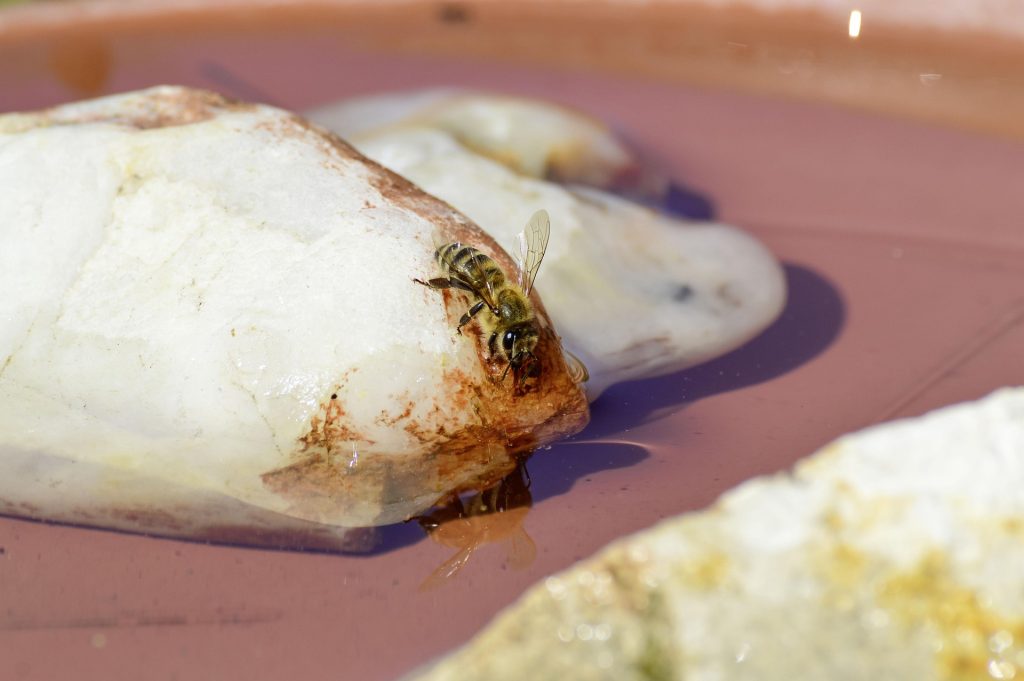
- Provide water – a shallow dish with pebbles can be a lifeline in dry spells
- Avoid pesticides – especially during flowering periods
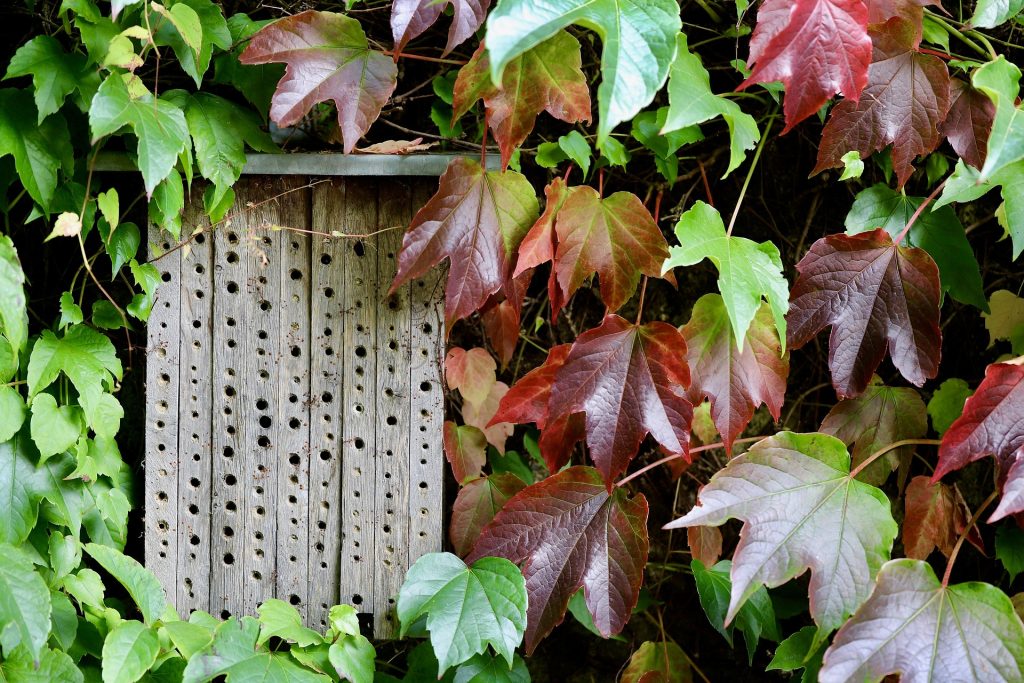
- Create habitats – a patch of long grass, a pile of logs, or a sunny bank of bare soil
Recent research by the RHS indicates that a mix of native and non-native plants should be used for best effect. Of the non-native plants, include mostly from the northern hemisphere. In essence, go for a wide variety of flowering plants, that favour different seasons.
Leave a Reply