
The Big Garden Birdwatch is back, and it’s one of the simplest and most enjoyable ways to support UK wildlife. Each year, the RSPB invites people across the country to spend just one hour counting the birds they see in their garden, balcony, or local green space. It’s a small act that contributes to the national picture of how our bird populations are doing.
Why it matters
Birds are brilliant indicators of the health of our environment. When numbers rise or fall, it tells us something important about the wider landscape — from food availability to habitat quality. The Birdwatch helps conservationists understand these trends and take action where it’s needed most.
It’s also a lovely reminder that our outdoor spaces, however big or small, play a part in supporting wildlife. A feeder on a balcony, a hedge in a front garden, or a patch of shrubs in a shared courtyard can all become valuable habitat.
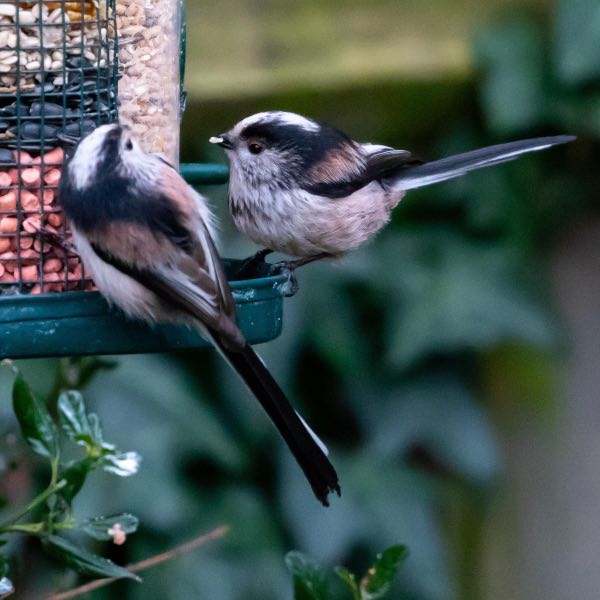
How to take part
Taking part is simple and straightforward:
- Choose any hour over the Birdwatch weekend – 23rd to 25th January 2026
- Choose somewhere you can be comfortable for that time period
- Count the highest number of each bird species you see at one time
- Submit your results to the RSPB
No special equipment or expertise is required — just a bit of time and curiosity.
Where to position yourself
You don’t need a perfect view or a large garden. Here are a few simple places that work well:
- By a window overlooking feeders — kitchen windows are often ideal
- On a sheltered bench or chair in the garden — somewhere you can sit quietly without disturbing the birds
- Looking out onto a hedge, tree, or shrubbery — birds often move through these areas even if you don’t have feeders
- A balcony or courtyard — even urban spaces attract sparrows, starlings, and pigeons
- A local green space — if you don’t have a garden, a nearby park or community area is absolutely fine
The key is to stay still, stay warm, and give the birds a chance to settle.
What birds to look for
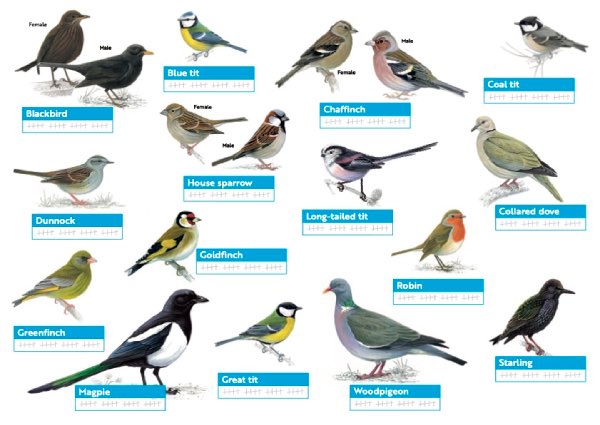
You can get to know the common garden birds in the UK at the RSPB website where there is comprehensive information to include tips for identification, images, bird call, and preferred food.
A garden design perspective
For anyone who loves creating wildlife‑friendly spaces, the Birdwatch is a great moment to pause and observe what’s already working. Which plants are providing shelter? Are your feeders attracting a variety of species? Is there a quiet corner that could be improved with a shrub, a water source, or a bit of ground cover?
These small observations can shape how we design and care for our gardens through the year — making them richer, more resilient, and more welcoming to wildlife.
A gentle invitation
If you’ve never taken part before, this is a lovely year to start. It’s peaceful, grounding, and surprisingly joyful to spend an hour simply watching the life around you. And by joining in, you’re contributing to one of the UK’s biggest citizen‑science projects.
Pop the kettle on, find a comfortable spot, and enjoy the company of your local birds.
Leave a Reply